
26 January 2026
Potential U.S. Military Action Against Iran: Implications for Global Trade and Geopolitics
In a recent YouTube interview, Xueqin Jiang, host of the Predictive History channel, discussed the potential consequences of a U.S. military strike on Iran. He warned that such action could lead to prolonged regional conflict and significant global economic disruption. The conversation, which featured independent financial journalist David Lin, highlighted the interconnectedness of energy markets, trade routes, and geopolitical alliances.
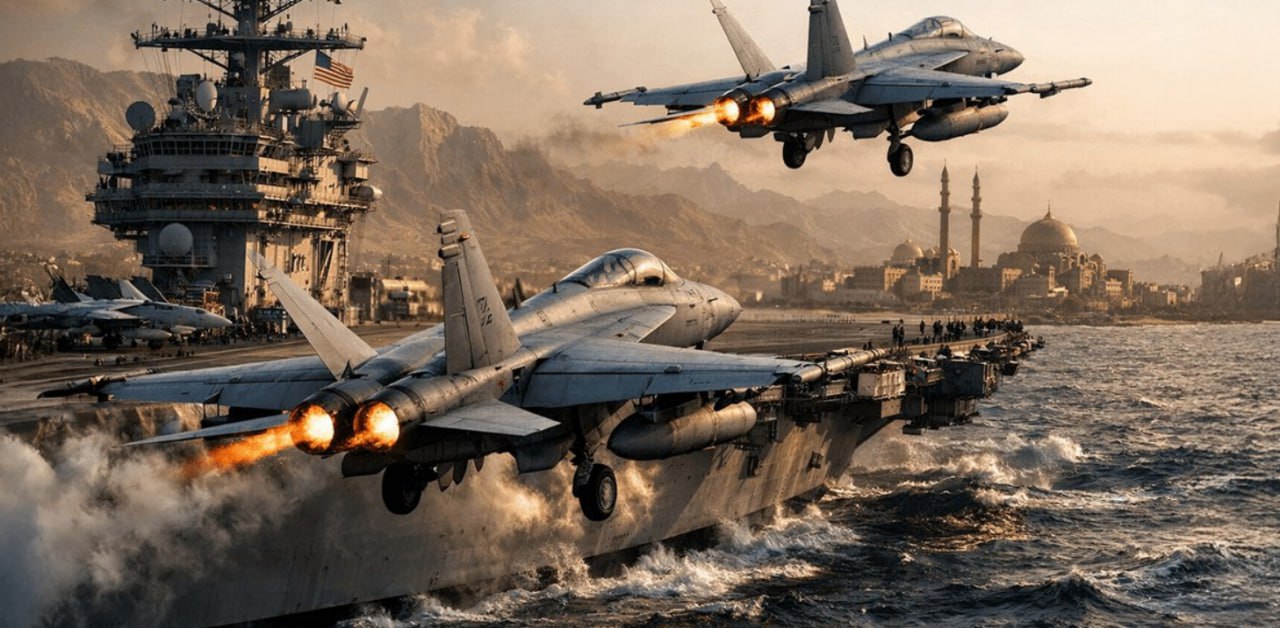
Jiang pointed to recent naval deployments and flight cancellations as indicators of heightened risk for imminent military action. He suggested that these developments, coupled with internal unrest in Iran, could increase the likelihood of U.S. airstrikes. However, he noted that no official confirmation of such plans had been announced.
Current betting markets indicate a 66 probability that the U.S. will strike Iran by June 30, while a separate market suggests a 76 chance that there will be no strike by January 31. Traders also assign a 17 likelihood that U.S. troops will enter Iran by March 31. This speculation has intensified following recent U.S. military activity in Venezuela.
Jiang argued that a conflict with Iran could differ from past U.S. military operations. He asserted that Iran might respond asymmetrically by targeting regional infrastructure and trade routes, particularly the Strait of Hormuz, a critical chokepoint for global oil shipments. Disruption of this route could significantly impact energy prices and supply chains.
According to Jiang, Iran s strategic position and regional ties could draw other nations into the conflict, either militarily or through diplomatic efforts to prevent broader economic fallout. Major Asian economies dependent on Middle Eastern energy supplies would face increased pressure to respond.
